Înapoi la știri
Choice of Tea or Coffee Could Affect Risk of Osteoporosis in Older Women - ScienceAlert
1 oră în urmă
4 minute min
Elena Dumitrescu
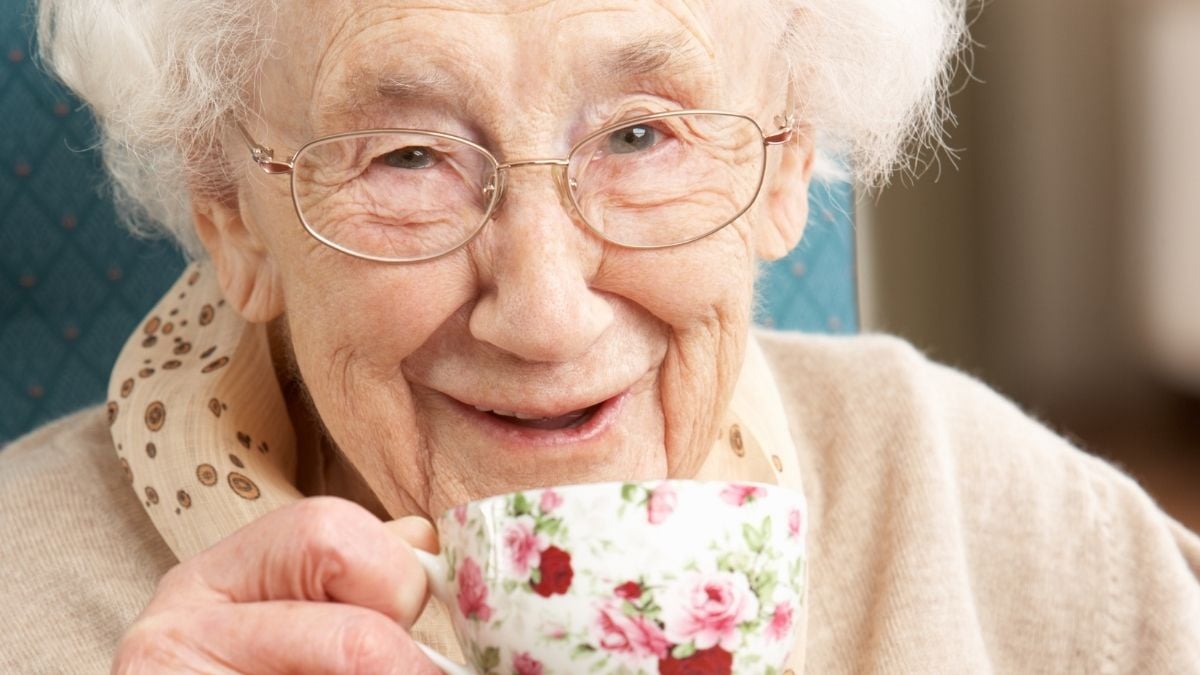
Few older ladies would turn down a nice cuppa. But over the years, daily decisions between tea or coffee could make a big difference to women's bone health, a recent study suggests. Osteoporosis is a common concern for women over 50 years of age. One in three will be diagnosed with the disease, which occurs when the body fails to replace old bone as it is broken down. This causes bones to become brittle and weak, making them more prone to fractures and harder to heal. Older women are at particular risk of osteoporosis as levels of estrogen, a hormone that supports bone metabolism, drop after menopause. Surgeries to remove a person's ovaries have a similar effect. Public health researchers from Flinders University in Australia analyzed the tea- and coffee-drinking habits of roughly 9,700 US women aged over 65 years, as part of a broader osteoporosis study. Participants self-reported their tendencies in surveys conducted on four occasions in a roughly 10-year period. The study also collected data on the women's bone health, measuring bone mineral density (BMD) in the hip and the narrow part of the femur's connection to the hip, using a pair of X-ray beams to deduce the bone's mineral content. Women who regularly drank tea tended to have slightly but significantly higher hip BMD than those who didn't. This may be because compounds in tea called catechins could offer a boost to the cells responsible for building our bones. "Even small improvements in bone density can translate into fewer fractures across large groups," said Flinders epidemiologist Enwu Liu. Tea consumption also seemed to have a particularly beneficial effect in women with obesity. Coffee habits, on the other hand, had mixed results. Women who drank more than five cups of coffee per day were more likely to have lower BMD, consistent with studies suggesting that caffeine negatively affects calcium absorption. Drinking any amount of coffee was also associated with reduced femur BMD in women who drank higher amounts of alcohol in their lifetimes, suggesting each drug's effect on bone health may be enhanced when paired. Related: Sir David Attenborough Is Turning 100. This Could Be The Secret of His Longevity. It's important to note that the women in the study were mostly White, so the results may not generalize to broader populations. "Our results don't mean you need to give up coffee or start drinking tea by the gallon," Liu explained. "But they do suggest that moderate tea consumption could be one simple way to support bone health, and that very high coffee intake might not be ideal, especially for women who drink alcohol. "While calcium and vitamin D remain cornerstones of bone health, what's in your cup could play a role too. For older women, enjoying a daily cup of tea may be more than a comforting ritual, it could be a small step toward stronger bones," he said. An earlier version of this article was published in December 2025.